Independent Web App
Flag Champs: A Flag Football Playbook Creator for All Levels of Competition
Why I built Flag Champs
I’ve drawn up plays as a player and a coach for more than 25 years, and in all that time I never had a quick way to create, organize, and share a playbook. Coaching my sons’ teams is what finally pushed me to build one.
Drawing a play is the easy part. The work is everything after it: keeping a season’s plays organized, printing them in a form you can use on the field, and getting them across to your other coaches and of course, your players.
The other reason is a gap I kept seeing between teams. Some have a playbook their players understand. Others haven’t figured out how to match plays to their players, or how to get those plays across to kids. A beginner playbook shouldn’t take design software and an entire weekend.
What Flag Champs does
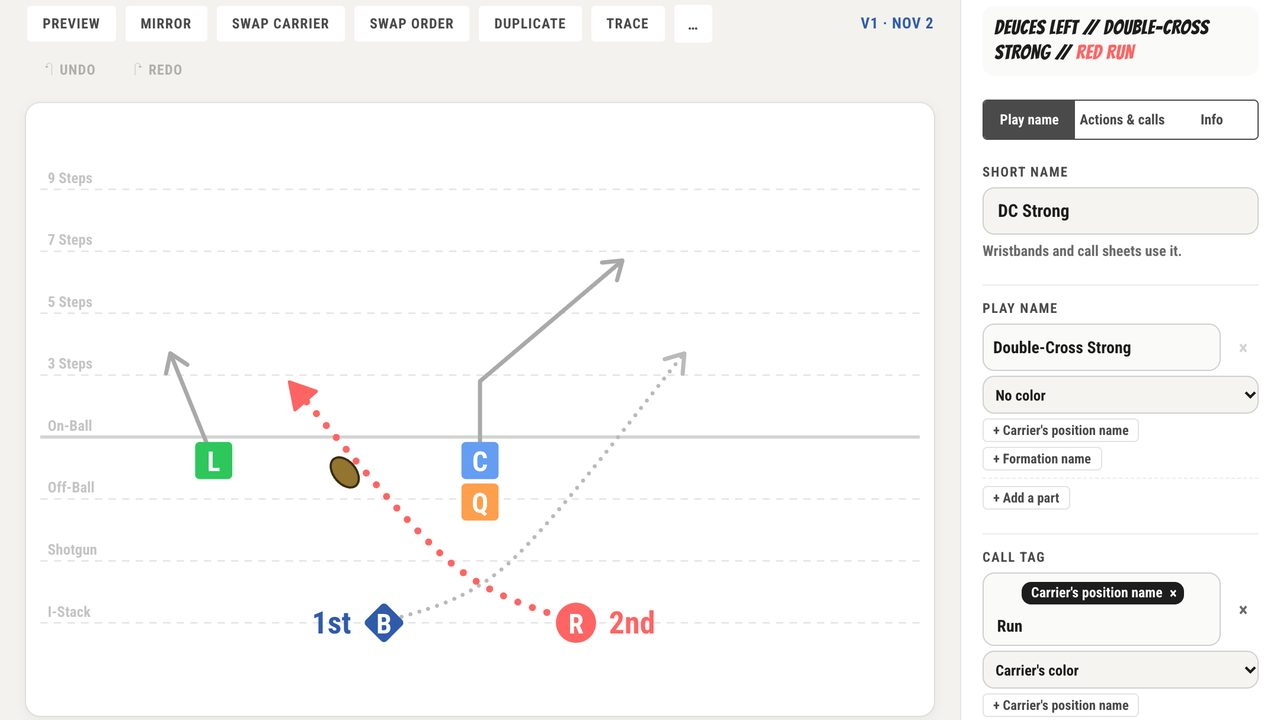
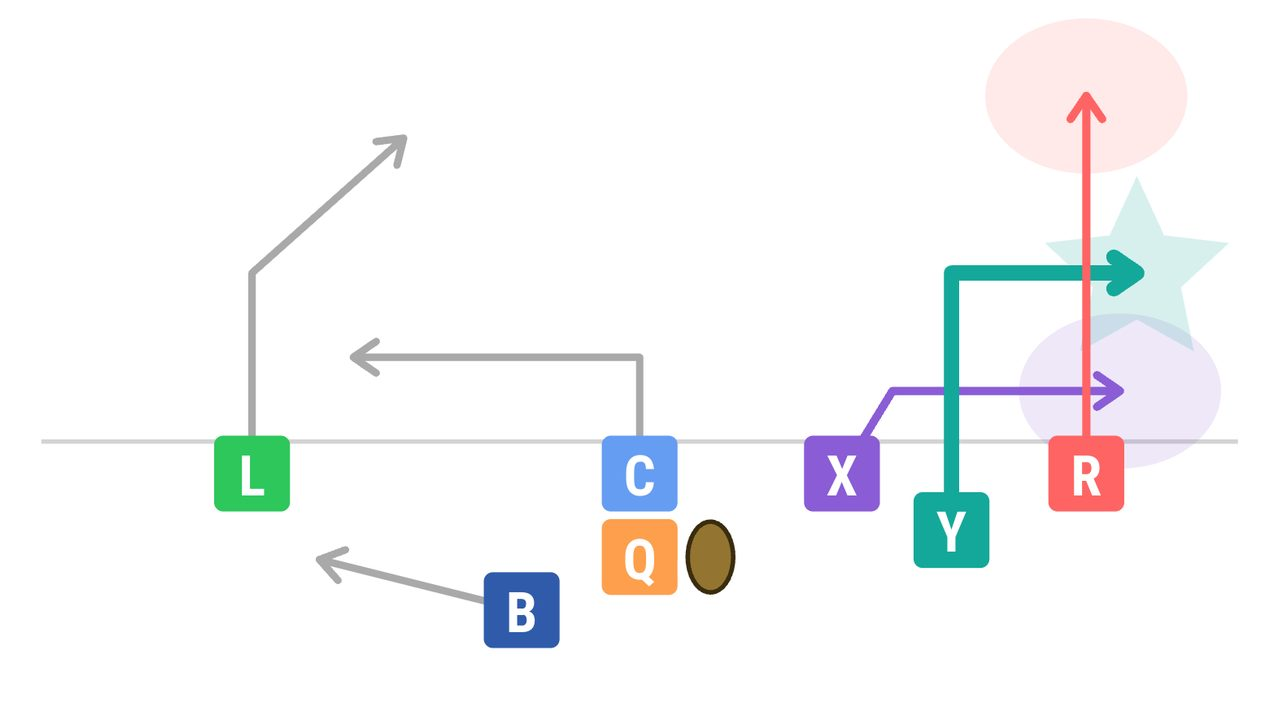
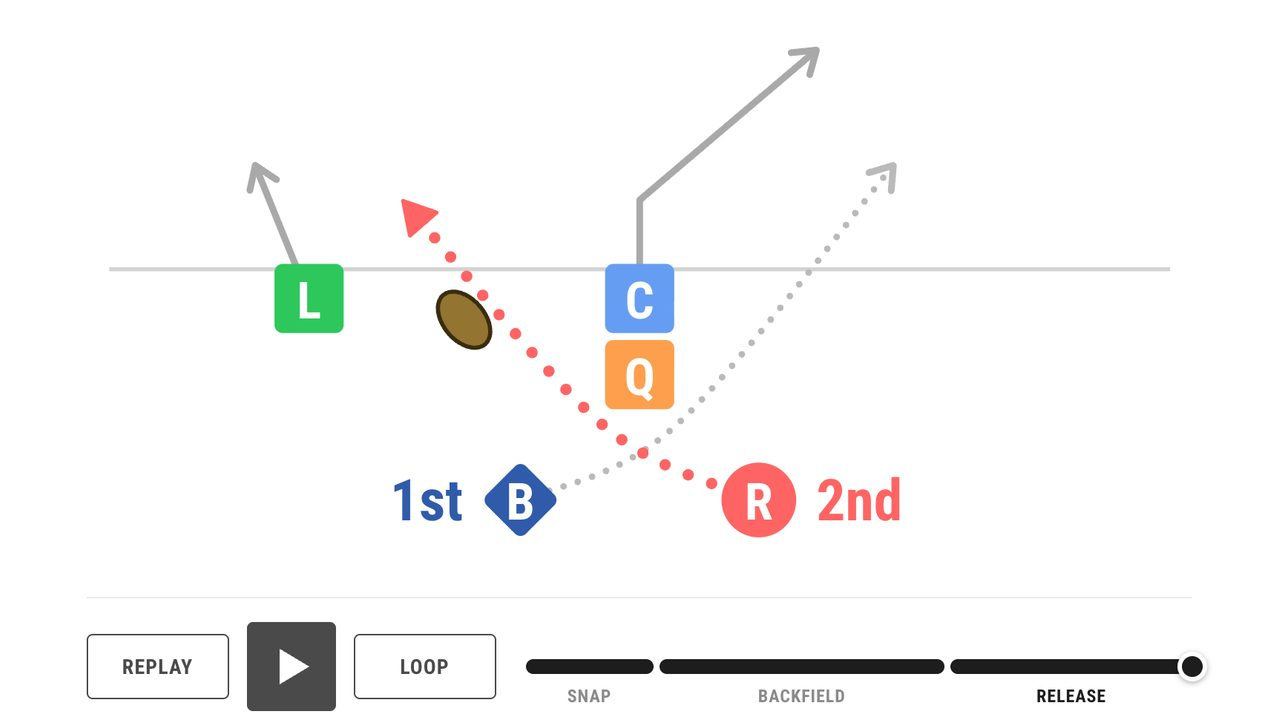
Set up a team in any format from 4v4 to 11v11, with your own position names, colors, and code words. Line players up in a formation on real depth lines, then draw the play: one click per point: routes, handoffs, motion, and fakes. Each player’s shape, the crossing order, and where the ball goes are worked out from what you drew.
 Expand image
 Expand image
 Expand image
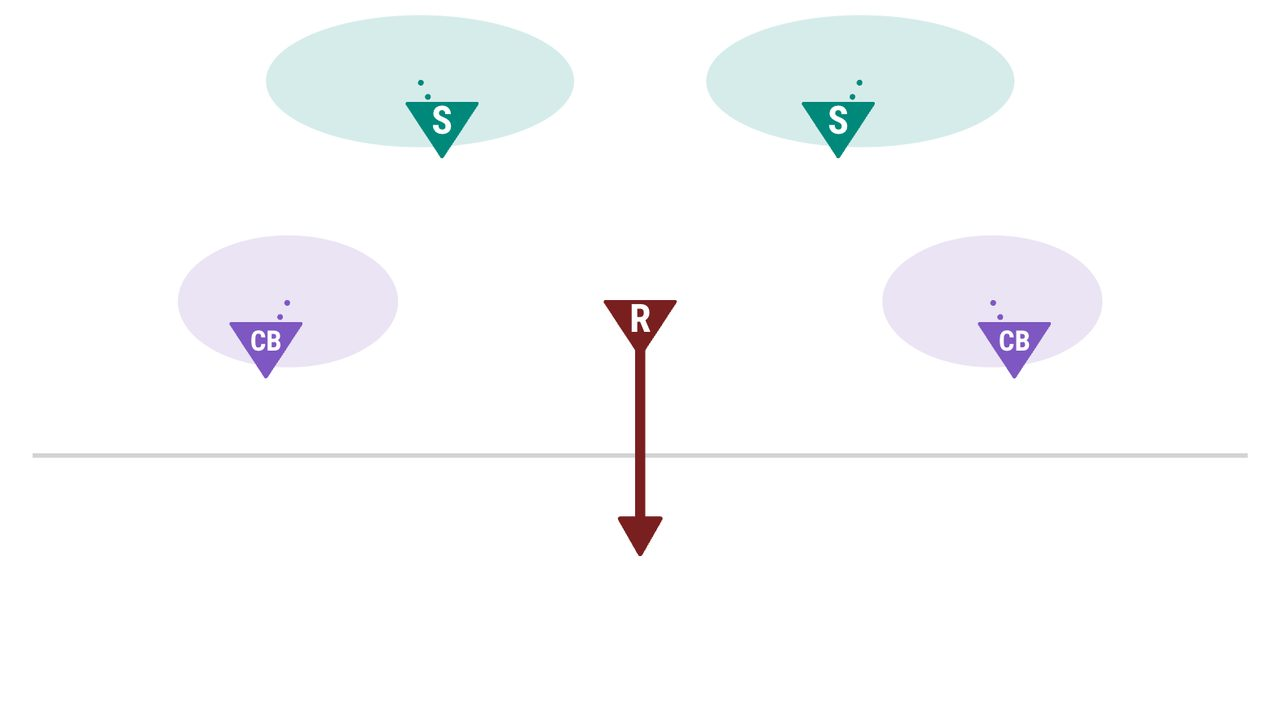
One play can carry several options, each with its own code word, so a single call at the line picks the option. Defense gets the same tools: looks and assignments for rush, zone, man, and spy.
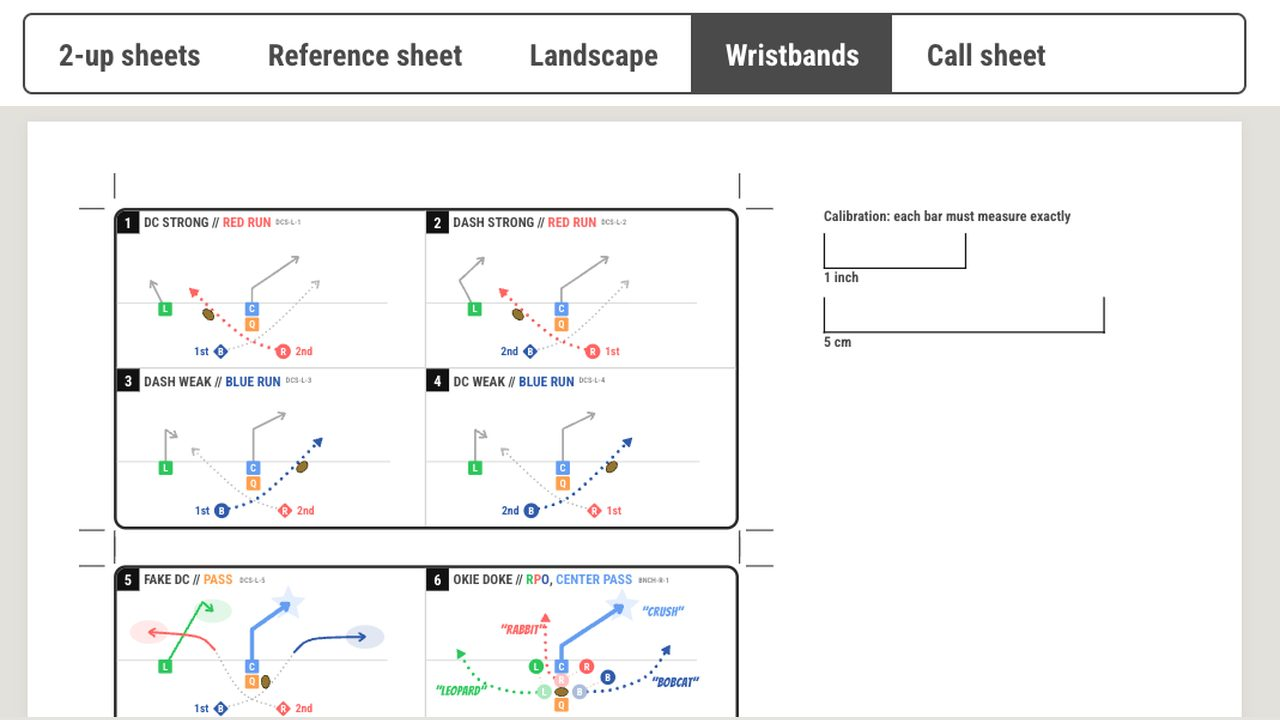
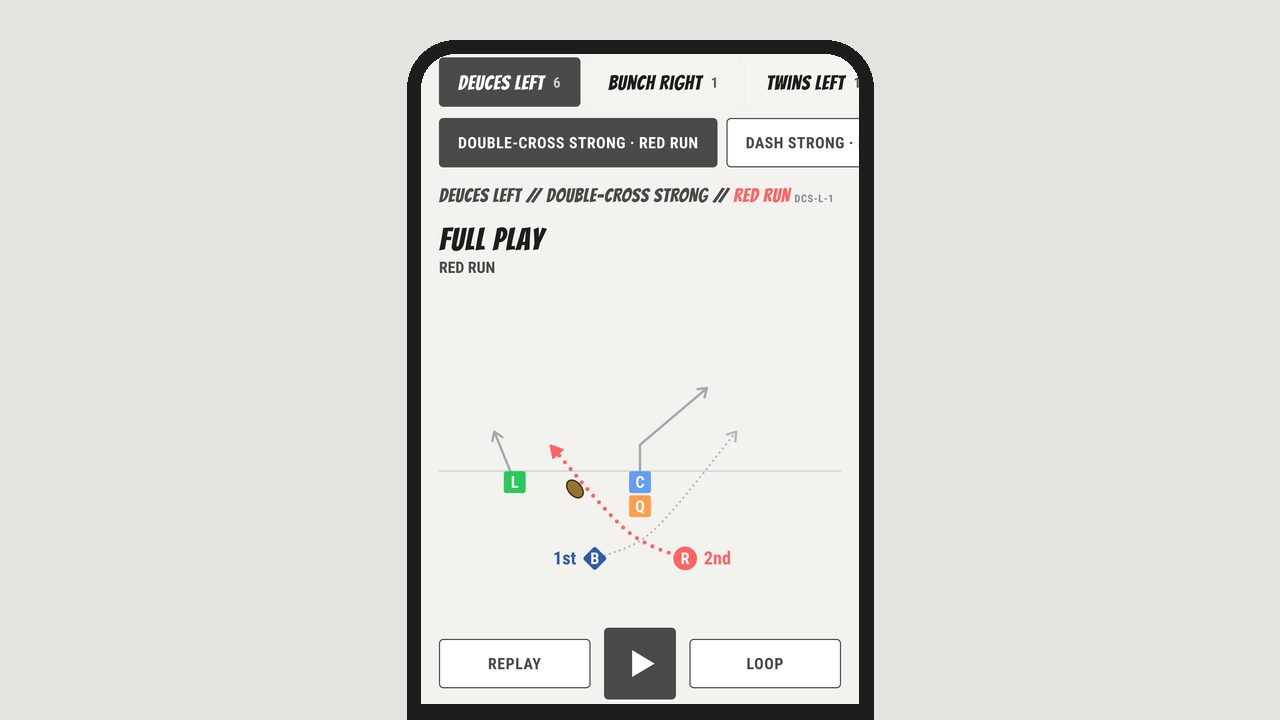
Then the same play goes everywhere it’s needed. It prints as true-size wristband cards, two-up play sheets, coach call sheets, and big-icon pages for younger players, in color or grayscale. It animates the snap, the fakes, the handoff, and the routes at full, half, or quarter speed, so players see the timing and not only the lines.
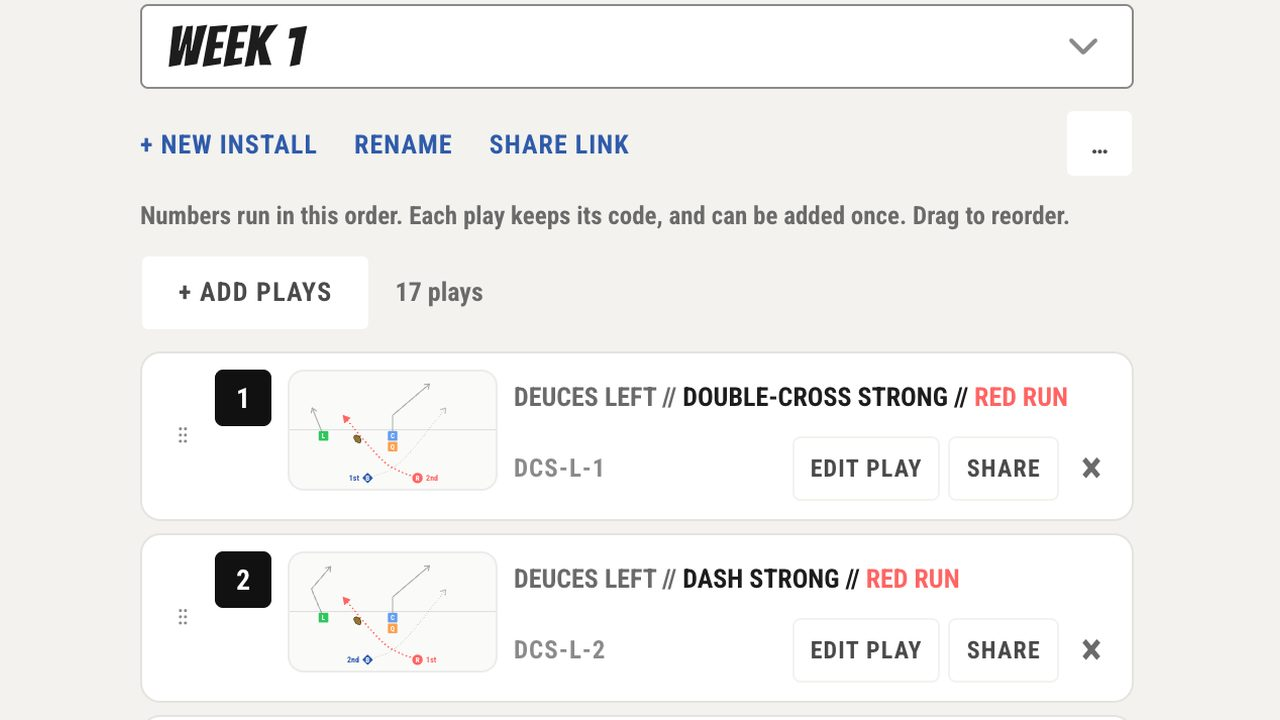
Plays can be grouped into weekly installs, numbered so players and coaches can easily call them, and play scripts put practice or game scenarios in calling order.
When it’s time to share, players and families get one link. There’s no account and no app, the plays animate on any phone, and coaches’ notes stay with coaches.
 Expand image
 Expand image
 Expand image
 Expand image
How Flag Champs is built
The first commit was September 28, 2026. Accounts were live at flagchamps.com on October 2. I’m not a developer by title. I worked out the design system and screen templates in Figma and then with Claude Design. I built Flag Champs largely with AI-assisted code. All brand marks and screen designs are mine. I ran it the way I’d run a product team: in steps, with requirements and a written plan before each one, tests written first, and a full suite of test automation and my review before anything went live.
The technical decision I’d defend first: a play is stored once when it is created, as data, and all other features of that play are derived from it, dynamically. The editor, the print sheets, and the animation all read the same play. Timing isn’t stored at all. It’s worked out from the routes, so when a route changes, the next print, the animation, and the shared link change with it.
The second: what a family can see is decided in the data, not on the screen. Kids never get accounts, grown-ups can. A shared link carries only an approved list of fields, so coaches’ notes and the roster never get exposed.
Third, the relational engine that powers duplication and mirroring is sneaky smart: When you create a mirrored formation, it not only flips your plays and the routes within them, but it holds your positions true to your formation. So, if your WR Left always is on the Left side, that's honored when the play is flipped, instead of flipping an outside receiver to the outside, only.
Some other parts that would’ve been faster to skip are in there too. Every change to a play or a formation saves as a new version, so nothing a coach draws gets overwritten by accident. An editor that gets interrupted or even crashes for some reason keeps your draft.
One more credit to disclose: The Flag Champs site says it was built by Coach Gruff, a goat in a headband and eye black, chewing a flag belt. That's really just my mascot version of every volunteer coach out there, but in reality, goats can't code... you're welcome.
Where it stands, November 2026
Flag Champs is live, with a full launch-scale feature set. More features are on the roadmap, and I’ll post updates here as it grows.
See the short video tour on the Flag Champs home page. If you try it with your team, tell me how it goes.